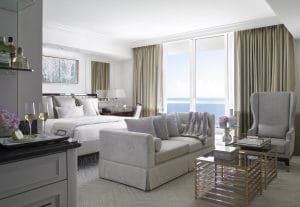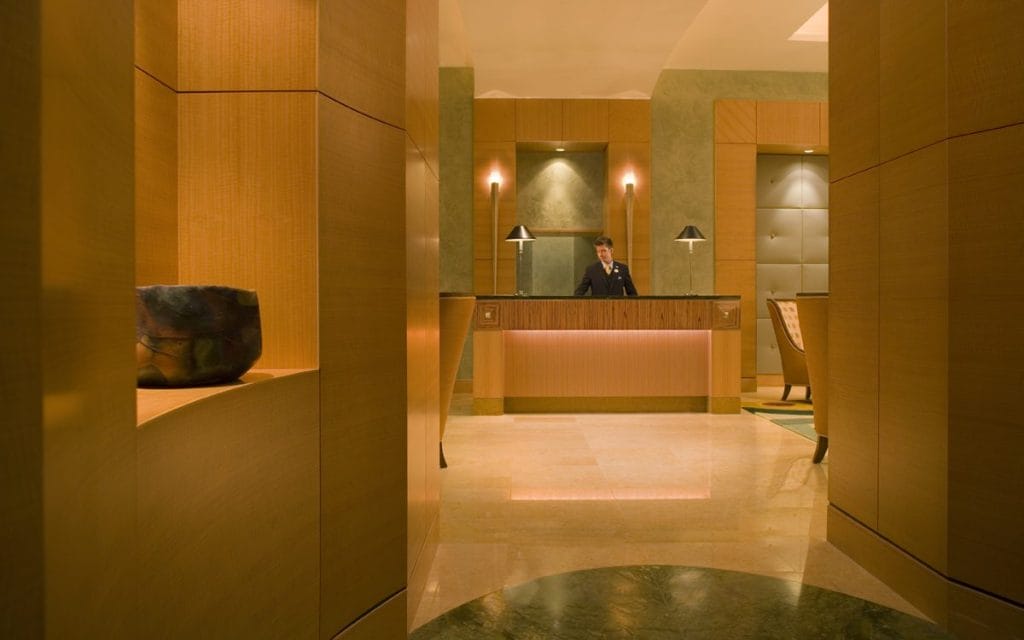
Luxury hospitality is often mistaken for expense: the highest thread count, the largest suite, the longest list of amenities. What actually defines it is a standard of service and attention carried through every hour of a stay, from the first email to the last morning. It shows in the small, consistent things more than the grand ones: your name known at the door, your bag already in the room, and a preference remembered from a visit two years ago. Done well, that is the difference between a place you visit and a place you return to.
At Acqualina Resort & Residences, that standard has held since it opened its doors in 2006. The oceanfront property in Sunny Isles Beach has earned the Forbes Five-Star rating for both its hotel and spa for fourteen consecutive years, along with the AAA Five Diamond Award, and in its twentieth year it still runs on one idea: the place that remembers you.
What Is Luxury Hospitality?
Luxury hospitality is a level of service in which comfort, privacy, and personal attention are the baseline, not the upgrade. What sets it apart is anticipation: the coffee order remembered on day two, the dinner reservation moved without a second request, the problem solved before it reaches you. High-end hospitality is not about doing more. It is about doing the expected things flawlessly, and the best luxury hospitality services are the ones you never have to ask for.
The distinction shows up in the ratings that matter. Forbes Travel Guide, the only independent global rating system for luxury hotels, sends anonymous inspectors to test each property against up to 900 standards, most of them about service rather than décor. Décor ages; being looked after is what you remember and what brings you back. That is why five-star hospitality stays the benchmark the rest of the luxury hospitality industry measures itself against.
What Defines a Luxury Hotel Experience?
A luxury hotel experience is defined by consistency more than by any single feature. The best luxury hotels and luxury resorts get things right every time: a check-in that takes minutes, a room that is genuinely ready, a team that knows your name by the second day. That is 5-star hospitality in practice, the expected delivered flawlessly and the unexpected handled without fuss, on a quiet Tuesday exactly as on a holiday weekend.
Setting matters just as much. At the top luxury resorts, the experience is shaped by where a property sits and how it uses that ground. Acqualina was built open to the sea on 4.5 acres, so many rooms face the Atlantic, and the sound of the water follows you from the balcony to the pool to a table under the resort’s signature red umbrellas. It makes for a luxury resort experience that feels less like a hotel and more like a private stretch of coast.
Luxury Hotel Amenities That Define the Stay
Amenities are where luxury hospitality becomes tangible. The luxury hotel amenities you actually remember are rarely the longest list; they are the few done to an unusual standard. At Acqualina that means the 20,000-square-foot, two-story Acqualina Spa, three oceanfront pools, and a beach where a chair, a towel, and a cold drink reach you before you think to ask.
Dining follows the same logic. Four oceanfront restaurants, from Il Mulino New York to the beachfront Costa Grill, mean you rarely need to leave the property for a meal worth remembering. Add the AcquaMarine children’s program, a fitness center, and a full calendar of on-site experiences, and the luxury hotel service stops reading like a checklist and becomes the reason a two-night booking turns into a week.
The Importance of Personalized Service in Luxury Hospitality
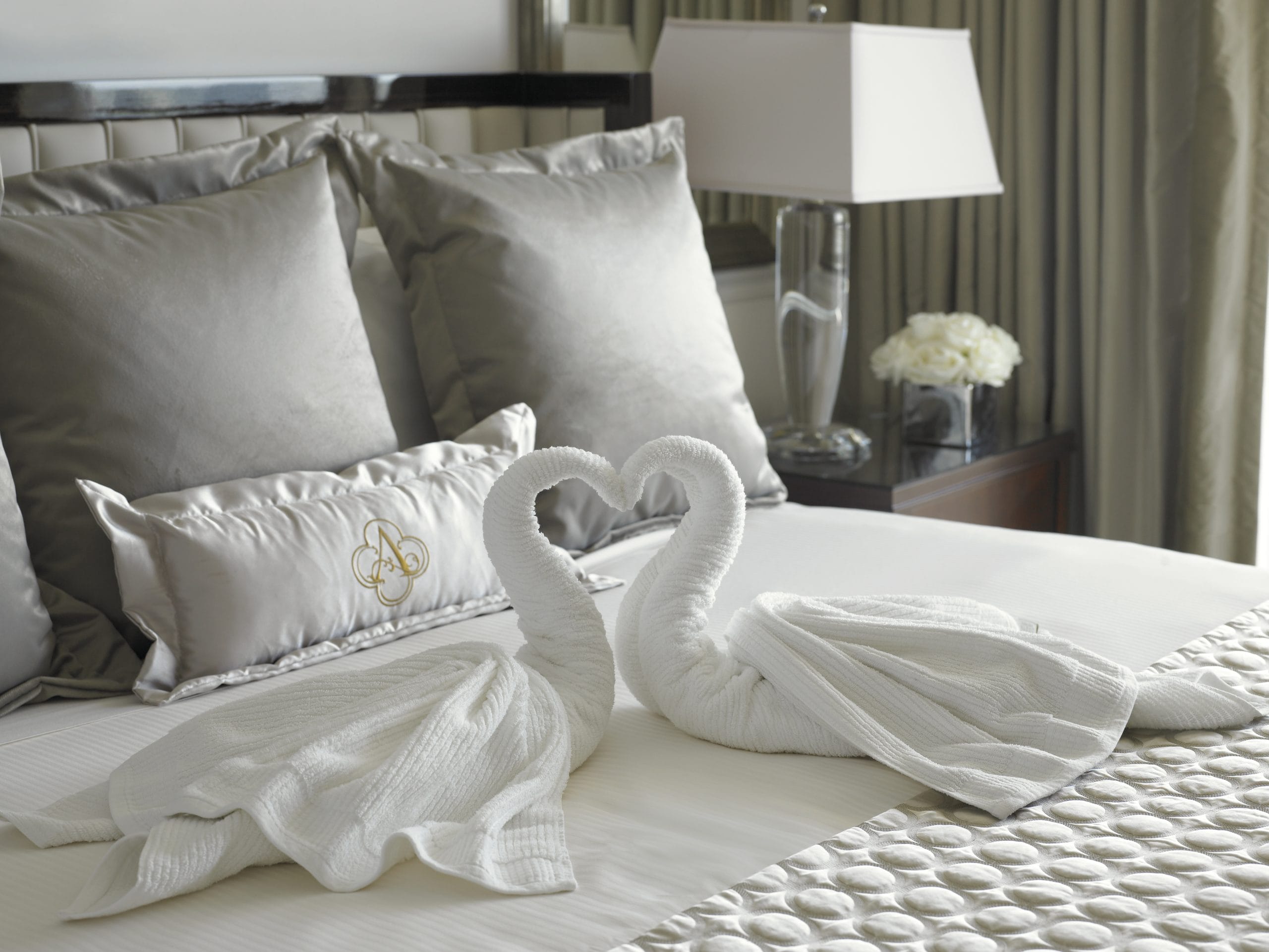
If one thing separates luxury hospitality from the rest, it is personalized service.
The numbers bear it out: research on luxury travelers finds that roughly two in three people now treat personalization as essential, and many will pay more for a stay. The luxury guest experience has quietly moved from grand gestures to precise ones, from what impresses a room to what suits a person.
It runs on attention and memory: the concierge who books the restaurant you mentioned in passing, the housekeeper who notes which pillow you used, the manager who greets you by name. None of that can be bought in or scripted; it is built slowly, one guest at a time, until a place knows your preferences before you restate them. That accumulated familiarity and care are what a luxury hotel guest experience really rests on, and it’s what makes guests return year after year.
Luxury Hospitality Trends Shaping Travel in 2026
The luxury travel trends shaping 2026 point in one direction: away from display and toward meaning. Travelers are booking longer, slower stays and asking for experiences they cannot buy at home, and the resorts built around service rather than spectacle are the ones the shift rewards.
Wellness has moved to the center of the trip rather than the edge of it. Global wellness tourism reached 894 billion dollars in 2024, and luxury travelers increasingly build an entire stay around a spa, a sleep program, or a few days of good food and movement. An oceanfront resort with a Five-Star spa is made for exactly that.
Personalization keeps going deeper. Properties are using guest history to tailor everything from room settings to dinner reservations, so the luxury travel experiences on offer feel personal rather than pulled off a menu. Quiet luxury is gaining ground too, with the luxury hospitality industry moving away from logos and toward access, privacy, and craftsmanship, and cultural immersion valued over display.
Stays are also getting longer. Remote work has made the week-long booking normal at the top luxury hotels, which now design for rhythm and routine rather than a single photogenic night. Taken together, the luxury hospitality trends 2026 reward the resorts that were already quiet, personal, and rooted in their place. These are not new luxury hospitality trends so much as a return to what the finest resorts always understood.
Experience Luxury Hospitality at Acqualina
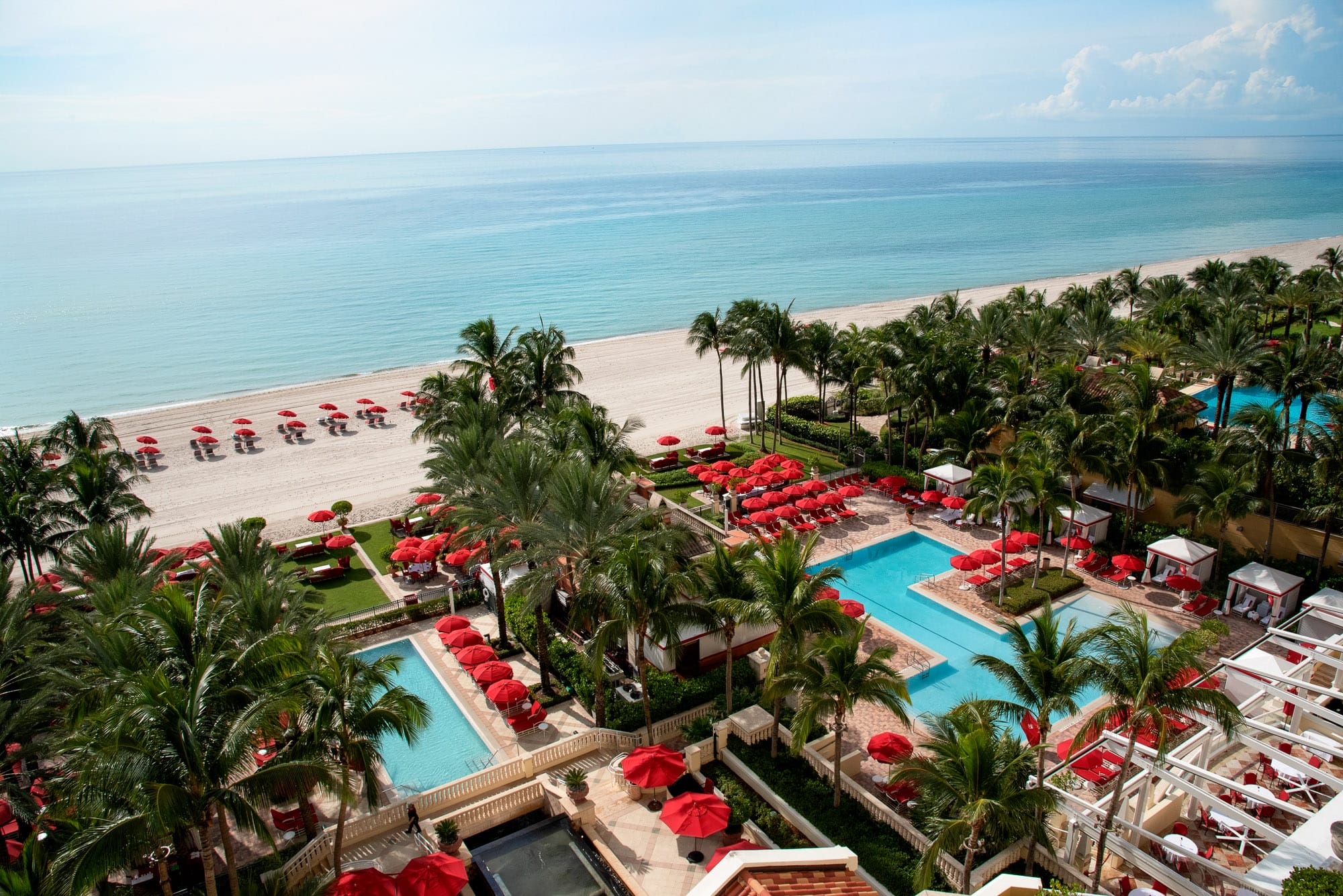
Among luxury hotels in Miami Beach, Acqualina holds a particular place: a family-owned, residential-scale resort of 98 rooms and suites, quiet by design, that has held its five stars for fourteen straight years. Because the family that opened it in 2006 still runs it, the service reads as personal rather than corporate, and the luxury hospitality experience here feels lived-in rather than staged.
If you are weighing the luxury resorts in Miami, the shape of a stay here is yours to set. A luxury travel Miami itinerary can run as full or as quiet as you like: a spa morning, an afternoon on the sand, dinner at Il Mulino, and a suite where the Atlantic is the first thing you see. Seasonal offers fold spa and dining credits into one reservation, so the stay begins well before check-in. Some places you visit. Some places become tradition.
Frequently Asked Questions About Luxury Hospitality
Short answers to what guests ask most, and what to expect from a true five-star stay.
What is luxury hospitality?
Luxury hospitality is service that anticipates rather than reacts. It is measured by consistency and attention, the sense that a property knows what you want and looks after it without being asked. The difference is felt in the details across your whole stay, not announced at check-in.
What makes a hotel a luxury hotel?
A luxury hotel is defined less by price than by execution. The best luxury hotels combine a strong sense of place, refined design, and, above all, faultless service delivered the same way every day of the week. Ratings like Forbes Five-Star and AAA Five Diamond exist to verify that the standard is real and consistent rather than only advertised.
What amenities should a luxury hotel offer?
Beyond the expected pool, spa, and fine dining, the luxury hotel amenities that matter most are the few executed to an unusual standard rather than the longest list. What counts is the standard behind them: a spa you plan a day around, a beach where the service reaches you first, dining good enough that you never leave for it.
What is the difference between luxury hospitality and traditional hospitality?
Traditional hospitality meets expectations; luxury hospitality anticipates them. High-end hospitality adds personalization, privacy, and a depth of service that turns a good stay into one you plan to repeat. The gap is small on paper and obvious in person.
How does Acqualina create a luxury guest experience?
Acqualina builds its luxury guest experience on setting and service: an oceanfront position where nearly every room faces the Atlantic, a two-story spa, four oceanfront restaurants, and a team that has looked after returning guests for two decades. You can plan a stay through the resort’s current offers or by reaching the concierge directly.