By Erica Corsano
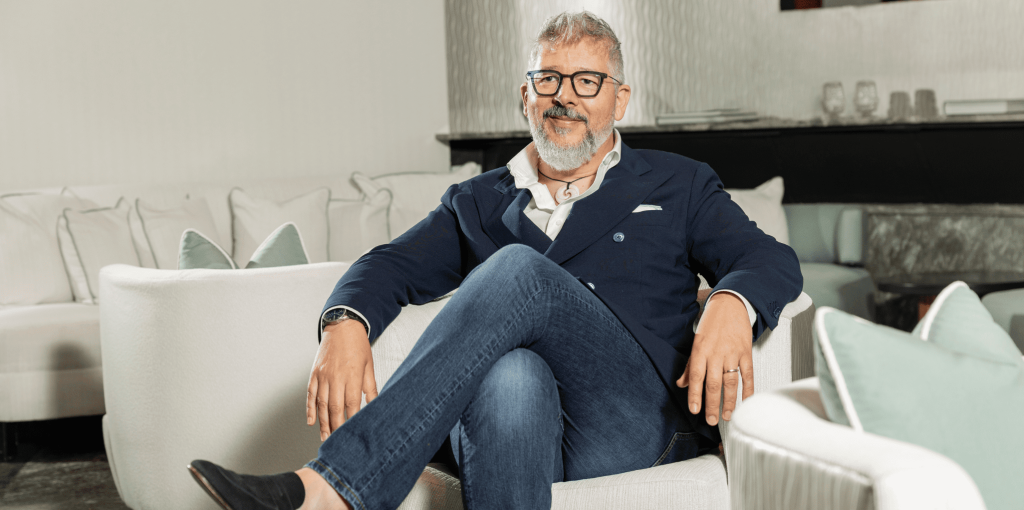
When Acqualina set out to reimagine Ke-uH, its acclaimed Japanese fusion restaurant, the goal was to match the artistry of its cuisine with an equally refined setting. For this, they turned to Italian designer Cristiano Gatto—renowned for his elegant, human-centered interiors across luxury yachts, residences, and hospitality spaces.
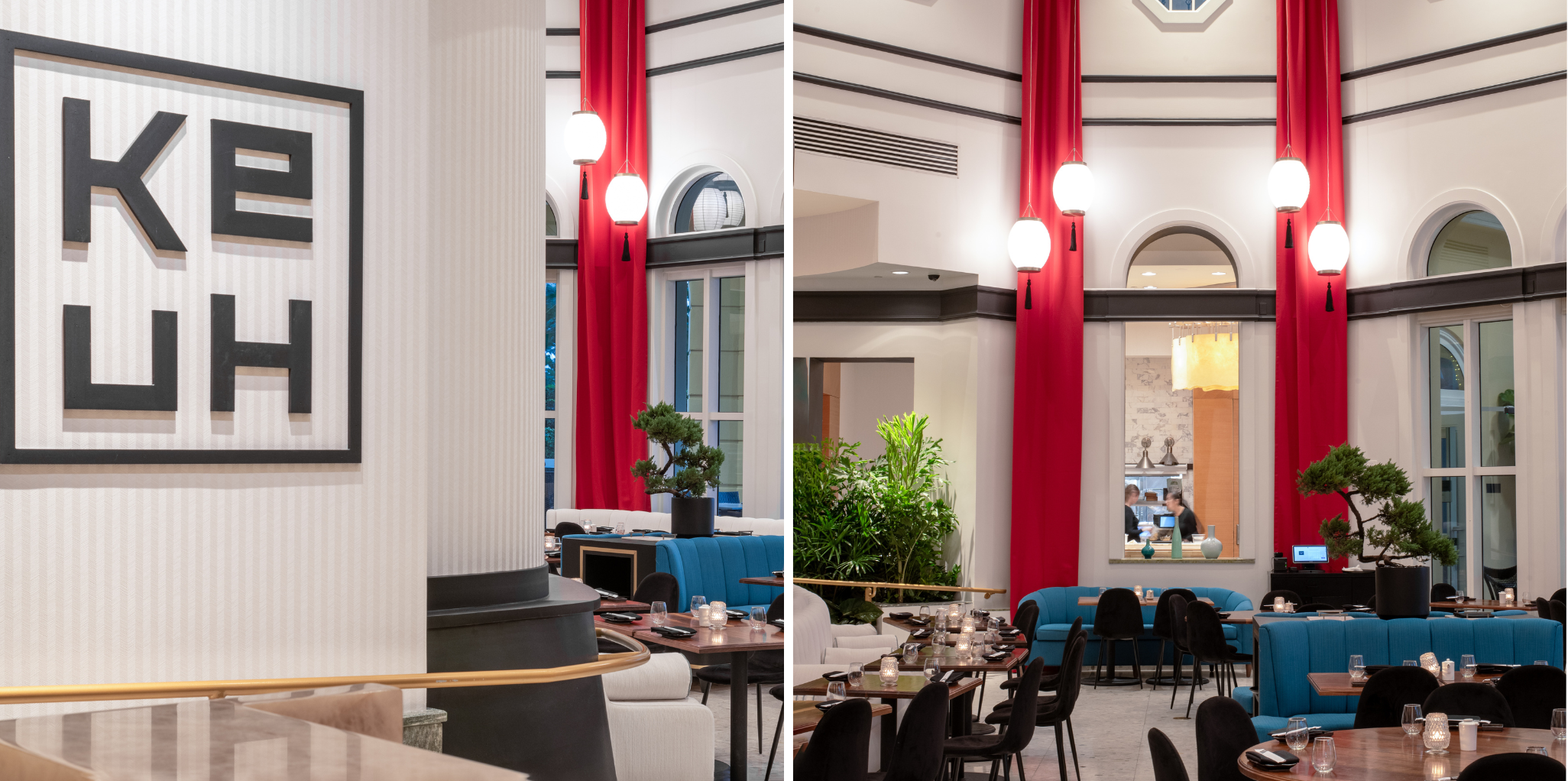
The result is a serene yet striking environment that shifts effortlessly from daytime light to evening intimacy. With bold design gestures like Acqualina-red drapery and a central bonsai tree symbolizing balance, the space now tells a richer, more layered story—one where every texture and material has meaning.
In this exclusive Q&A, Gatto shares the philosophy, cultural influences, and personal touches behind the transformation of Ke-uH.
Q: What was your initial creative vision for Ke-uH, and how did the restaurant’s location at Acqualina shape your approach?
A: The space already had a defined architecture, but over time, decorative elements had diluted its essence. My first move was one of subtraction—stripping away excess to restore clarity and formal purity. From there, I introduced features like longitudinal red drapery, which draws directly from Acqualina’s brand identity and weaves the exterior landscape into the interior.
Q: Ke-uH offers a Japanese fusion menu in a distinctly Mediterranean setting. How did you translate that into the design?
A: I envisioned a soft, lounge-like space with a color palette of black, white, and red—tones that speak to Mediterranean warmth. At the same time, I layered in blackened brass and other details inspired by Japanese and broader Oriental design languages. It’s a gentle blending of two aesthetics, each enhancing the other.
Q: You’re known for designing yachts and residences. How did this project differ—and what felt familiar?
A: The familiar element was the human-centered approach—making guests feel comfortable. What differed was the scale. This wasn’t a private space but one meant for a broader community, so it required a more open rhythm that still maintained intimacy.
Q: Is there a particular material or detail you’re especially connected to?
A: I’m drawn to the layering of materials. For example, the black lacquered brass corner lounge tables and the way pendant lights intersect with the drapery. These moments of overlap add narrative depth to the space.
Q: How do you define elegance in a dining space today?
A: Elegance lies in simplicity, proportion, and harmony. It’s about honest materials, balanced forms, and intuitive comfort.
Q: Acqualina’s aesthetic is both refined and relaxed. How did you balance those ideas?
A: That balance is very natural for me. My Italian sensibility and experience in yacht design informed this fusion of ease and refinement. I wanted the space to feel fluid—elegant but never rigid.
Q: Were there specific artistic or cultural influences behind this project?
A: Not one in particular. My work is always shaped by past experiences, memories, and emotions. It’s more about a quiet convergence of influences rather than a single reference point.
Q: What’s your favorite time of day to experience Ke-uH?
A: I love the vibrancy of the morning and the contemplative quiet of the evening. Each moment reveals a different mood and nuance of the space.
Q: What do you hope guests feel when they step into Ke-uH?
A: I hope they feel embraced by an atmosphere that is both sophisticated and welcoming—where every detail, material, and gesture speaks of comfort and care.
From the handcrafted sauces to the layered textures of the space itself, Ke-uH now fully reflects Acqualina’s commitment to immersive, sensory experiences. Open nightly for dinner and cocktails, it’s not just a place to dine—it’s a destination to savor design, culture, and culinary artistry, all under one roof.
Reserve your table and experience the new Ke-uH for yourself.